Introduction: What is radiotherapy for rectal cancer?

Radiotherapy uses the energy carried by X-rays to kill cancer cells. It is a convenient daily treatment delivered from outside the body by a machine called a linear accelerator, and plays a central role in treating cancers of the rectum and anus.

For rectal cancer, radiotherapy is most often used before surgery to reduce the chance of the cancer coming back. Increasingly we use a treatment approach called total neoadjuvant therapy (TNT). This means giving chemotherapy as well as radiotherapy before surgery, rather than splitting between before and after. The advantage is that patients receive their systemic treatment earlier, and the tumour is often significantly reduced in size before an operation. TNT has been shown to increase the chance of complete response and may allow more patients to benefit from organ-preservation strategies, as well as reducing the chance of the cancer coming back again in other organs.


For anal cancer, the picture is different: long-course chemoradiation is the standard of care. Here, radiotherapy is not just a prelude to surgery — it is the main treatment, often curing the cancer while preserving normal bowel function without a stoma.

Radiotherapy also plays a role in palliation, relieving bleeding, pain, or blockage when cure isn’t possible, and in carefully selected cases of oligometastatic disease, where high-precision stereotactic radiotherapy (SABR) targets small numbers of secondary tumours.

How it works

Radiotherapy works by damaging the DNA inside cancer cells. Cancer cells are less able to repair this damage than normal cells. Over time, the tumour shrinks as the cancer cells die off and the body clears them away. When we combine radiotherapy with chemotherapy — usually tablets such as capecitabine — the chemotherapy makes the cancer cells even more sensitive to radiation. This is why chemoradiation can be especially effective for rectal cancers, where shrinking the tumour makes surgery easier or avoids the need for surgery altogether.

Radiotherapy can also help with symptoms. For example, if a tumour is bleeding, pressing on nerves, or blocking the bowel, carefully targeted doses of radiation can relieve these problems quickly. Many people notice improvement within days. The treatment itself is painless, and because it is given in short daily sessions, it can be fitted into everyday life with relatively little disruption.

The art of radiotherapy is finding the sweet spot between giving enough dose to control the tumour and keeping the surrounding normal tissues safe. Modern machines allow us to do this with extraordinary precision. Techniques such as IMRT (intensity-modulated radiotherapy) shape and vary the strength of the beams as they pass through the body, a bit like using a dimmer switch rather than an on/off button. This “dose painting” means we can concentrate the radiation where the tumour needs it most, while giving lower doses to nearby organs like the bladder, bowel, or nerves.

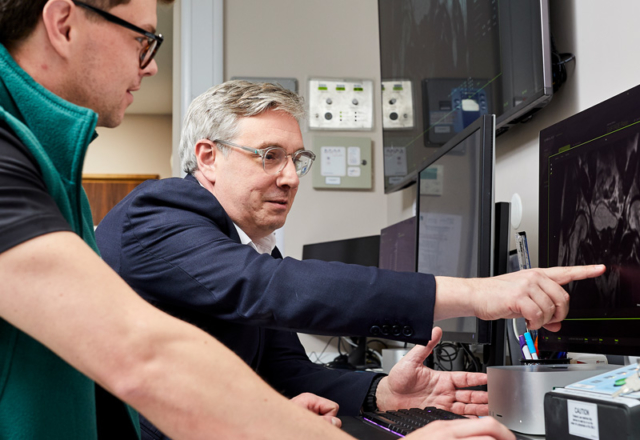
One of the most exciting advances is MRI-guided radiotherapy. With this, we can see the tumour and surrounding organs in real time while you are on the treatment couch. For rectal cancer, this opens up the possibility of dose escalation — giving higher, more effective doses in a short-course schedule while still protecting healthy tissue. Our experience shows this can increase the chances of a complete tumour response, raising the possibility of avoiding surgery in some patients, all while keeping side effects acceptable.

The benefits of radiotherapy for rectal cancer

Benefits at a glance

Short course radiotherapy: Fast and convenient — just five visits. Effective at reducing local recurrence risk when combined with surgery.
Long course chemoradiation: Shrinks larger tumours to make surgery easier or more successful.

There are two main approaches to curative treatment:

  • Short course radiotherapy: Fast and convenient — just five visits. Effective at reducing local recurrence risk when combined with surgery. Minimal disruption to daily life. This is suitable for earlier stage cancers, or in people who aren’t well enough to have long course treatment
  • Long course chemoradiation: Shrinks larger tumours to make surgery easier or more successful. May allow preservation of the anal sphincter, avoiding a permanent stoma. In some cases, when there is a complete response, surgery can be avoided altogether under careful “watch and wait” programmes.

Total neoadjuvant therapy (TNT) combines chemotherapy and radiotherapy before surgery. It increases the chance of complete response and allows more people to delay major surgery. The radiotherapy component may be either short or long course, depending on the circumstances, with the chemotherapy typically being given for 3-6 months either before or after the radiotherapy.

Other situations where we use radiotherapy:
  • Palliative radiotherapy: Used when cure isn’t possible, but control of symptoms is vital. It can stop rectal or anal bleeding within days and relieve pain from pelvic tumours pressing on nerves or other tissues. Usually delivered in 1–5 treatments.
  • Oligometastatic disease: People with up to five  secondary tumours (e.g. in liver or lung), stereotactic radiotherapy (SABR) achieves long-term control and improves life expectancy. This is covered in detail on a separate SABR page, but worth mentioning as part of the broader role of radiotherapy in bowel and anal cancers.

Your radiotherapy for rectal cancer pathway: what to expect

Side effects of radiotherapy for rectal cancer

Most people tolerate radiotherapy for rectal cancer well, but almost everyone will notice some side effects while treatment is going on and for a week or so afterwards.

Common short-term effects include:

  • Tiredness: feeling more fatigued than usual, sometimes needing naps or adjustments to daily life.
  • Skin soreness: redness or irritation around the anus, groin, or buttocks, a bit like sunburn. This can make it uncomfortable to open your bowels.
  • Bowel changes: looser stools, more frequent trips to the toilet, excess wind, or occasional urgency.
  • Bladder irritation: needing to pass urine more often or with some discomfort.

How these can be reduced:

  • Skin care: using gentle soaps, keeping the area dry, and applying creams recommended by my team. Radiographers will check your skin regularly and can provide soothing dressings if needed.
  • Bowel symptoms: dietary tweaks (e.g. low-fibre foods if stools are loose), anti-diarrhoeal medication if needed, and good hydration.
  • Bladder irritation: drinking plenty of water, avoiding bladder irritants like caffeine and alcohol, and medicines if required.
  • Fatigue: pacing yourself, gentle exercise such as walking, and rest when needed.
  • Supportive medicines: creams, pain relief, or tablets are offered early if symptoms develop — small problems are easier to fix before they become big ones.

The important point is that these side effects are temporary and manageable. Most people are surprised at how quickly they return to feeling normal once treatment finishes. And you’re not left to manage them alone — our radiotherapy team will see you every day and can advise on practical steps to keep things as comfortable as possible.

Long-term side effects

Most people recover well after radiotherapy, but a small number notice side effects that persist or appear months to years later. These are much less common than short-term effects, but it’s important to be aware of them.

  • Bowel habit changes: looser stools, urgency, or more frequent trips to the toilet.
  • Bladder changes: needing to pass urine more often, or occasional leakage.
  • Sexual and reproductive health: vaginal dryness or narrowing in women, erectile dysfunction in men, and reduced fertility for both sexes.
  • Pelvic bone health: a slightly higher risk of pelvic fractures later in life.

These risks are kept as low as possible with modern techniques such as IMRT and MRI-guided treatment, which protect normal tissues. If long-term side effects do occur, there are effective treatments and supportive services to help manage them.

Having radiotherapy for rectal cancer privately

Having radiotherapy privately

Private treatment means:

  • Rapid access: planning and first treatment in the shortest possible time.
  • State-of-the-art technology: treatment delivered on modern linacs at GenesisCare centres.
  • Personal supervision: I remain closely involved throughout.
  • Expert support: dietitian, physio, and psychologist support is available.
  • Continuity and comfort: appointments scheduled flexibly, with supportive environments.
  • Transparency: clear costings and liaison with insurers where relevant.

Frequently asked questions

No. Radiotherapy to the pelvis does not cause hair loss on the head, though you may lose pubic hair in the treatment area.

No. The treatment itself is painless. Some side effects — such as skin soreness or diarrhoea — can be uncomfortable, but these are manageable.

Often yes, especially with short course. With long course, fatigue and bowel changes can make working full-time challenging, but many people continue part-time or adapt their schedule.

No. External-beam radiotherapy does not make you radioactive. You are safe to be around family, friends, and children.

For rectal cancer, we typically do CT and MRI scanning at 8-12 weeks after the completion of treatment to assess response. This is because it takes that long for the cancer to die away fully.

Missing the odd session isn’t a disaster — the course can usually be extended by a day. But it’s important to attend regularly, as breaks can reduce effectiveness.

Unlike an MRI scanner, radiotherapy machines are open and not enclosed — the treatment couch slides under a large, machine that rotates around you, but you are never shut inside a tunnel. Most people with claustrophobia cope far better than they expect. You’ll be in the room for just 10–15 minutes, and staff monitor you on camera and can talk to you throughout. If you’re still worried, we can arrange a visit beforehand so you can see the machine.

Ready to start?

If this treatment is part of your treatment plan, we will act quickly to get things moving. From initial consultation to your first cycle, my aim is clear: to provide fast, safe, and effective care grounded in the latest science, delivered with genuine compassion.

Whether your goal is cure, control, or comfort, we’re ready to support you every step of the way.

"*" indicates required fields

Privacy*