Introduction: What is chemotherapy and targeted therapy?

Chemotherapy uses carefully selected anticancer drugs to destroy fast growing cancer cells. In modern oncology we rarely think of chemotherapy in isolation. Instead, we design a combined plan that may also include radiotherapy (to kill off individual tumours) or targeted therapy (to block the growth signals a tumour relies on). This approach is relevant across bowel (colon and rectal) cancer, pancreatic cancer, liver (hepatocellular carcinoma), bile duct (cholangiocarcinoma), smallbowel and anal cancers.

We use these medicines to shrink tumours before surgery (neoadjuvant chemotherapy), reduce recurrence after surgery (adjuvant chemotherapy), or control symptoms and extend life when cure is not possible (palliative, or disease-modifying, chemotherapy). Treatment is always tailored to your goals and to what we can realistically achieve.
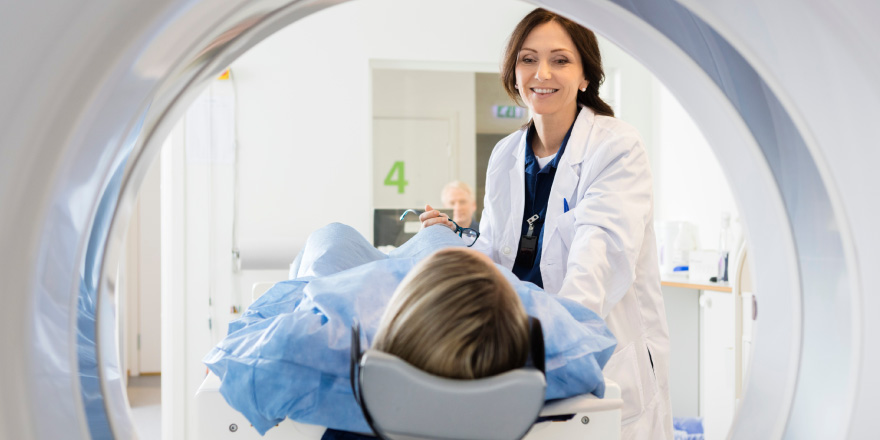

Patients often worry that chemotherapy is inevitably harsh. In reality, supportive medicines, personalised dosing and proactive monitoring mean many people keep working, exercising and living life during treatment.

The science—and art—of oncology lie in matching the right drugs to the right person at the right time, then adjusting as you go so benefit stays high and side effects manageable. If you’ve been diagnosed with cancer and are looking for private treatment, I can provide rapid assessment, clear explanations in plain English and fast access to treatment, so you’re not left waiting or worrying.

How it works

Chemotherapy — the cornerstone

Chemotherapy attacks cells that divide quickly. In colorectal and pancreatic cancer, for example, it can shrink tumours to make surgery possible or safer, eradicate microscopic cancer after surgery, and prolong healthy life expectancy in more advanced disease. We use either single agents or combination regimens such as FOLFOX, FOLFIRI, CAPOX, FOLFIRINOX/FOLFOXIRI, gemcitabine based combinations, capecitabine (oral), and trifluridine/tipiracil in bowel cancer settings. Treatment runs in cycles every 2–4 weeks, with planned rest periods for recovery. Your schedule depends on cancer type, goals and how your body responds, and we adjust as needed to keep you safe and on track.

Targeted therapy — precision medicine in action

Targeted therapies block specific signalling pathways cancer cells depend on. Examples we commonly consider include antiEGFR treatments such as cetuximab and panitumumab in RASwildtype colorectal cancers, antiVEGF drugs to reduce a tumour’s blood supply, HER2directed therapy in bowel cancers, PARP inhibitors in BRCAmutated pancreatic cancer, and tyrosinekinase inhibitors (TKIs) such an lenvatinib and regoragenib for hepatocellular carcinoma or laterline bowel cancer. We base these decisions on detailed genomic testing of the tumour so we can focus on the options most likely to help you. Targeted therapies can be given alone or combined with chemotherapy to deepen and extend control of the cancer.

Immunotherapy — harnessing your immune system

Immunotherapy (most often checkpoint inhibitors) helps immune cells find and attack cancer. This is particularly relevant when biomarkers predict better responses—for example mismatchrepair deficient / MSIhigh colorectal tumours, cholangiocarcinoma and hepatocellular carcinoma. Immunotherapy may be given on its own or with chemotherapy / targeted therapy, usually in outpatient infusions. If immunotherapy is suitable for you, we will discuss benefits, timelines, and how we monitor and treat immunerelated sideeffects early, so you can continue safely. You can find out more about immunotherapy here.

James Good - Chemotherapy treatment

The benefits of chemotherapy and targeted therapy

Chemotherapy can play a powerful role in your treatment plan. Here’s how it helps in specific cancers.

Benefits at a glance

Shrink tumours to make surgery possible, or more likely to be successful
Lower recurrence risk after curative treatment.
Extend survival and maintain quality of life in advanced disease.
James Good - Treatment benefits for Bowel Cancer

Bowel cancer (colon and rectal)

Before surgery (rectal cancer): Chemotherapy often pairs with radiotherapy to downstage the tumour, improving chances of avoiding a long-term stoma and reducing the chance of the cancer recurring.

After surgery (colon or rectal): Adjuvant chemotherapy helps eradicate microscopic disease, especially when lymph nodes are involved.

Advanced disease: Combinations such as FOLFOX, FOLFIRI and CAPOX are the backbone. Targeted therapy may be added when molecular testing supports it; immunotherapy is considered in MSIhigh / dMMR tumours.

James Good - Treatment benefits for Pancreatic Cancer

Pancreatic cancer

Borderline resectable/locally advanced: Chemotherapy (e.g., FOLFIRINOX or selected gemcitabinebased regimens) may shrink tumours to enable surgery.

After surgery: Adjuvant chemotherapy improves longterm outcomes.

Advanced disease: Combination chemotherapy aims to prolong life and control symptoms. Targeted options are considered if genomic testing reveals actionable findings.

James Good - Treatment benefits for Liver Cancer

Bile duct (cholangiocarcinoma) & gallbladder

Systemic therapy may combine chemotherapy with targeted options where suitable (for example, when tumour testing shows FGFR2 or IDH alterations) and with immunotherapy. The aim is disease control, symptom relief and maintaining function, often together with radiotherapy or surgical approaches where appropriate.

James Good - Treatment benefits for Liver Cancer

Hepatocellular carcinoma (HCC)

Chemotherapy it not used to treat HCC, but options include TKIs and, in selected cases, immunotherapy based regimens. I have particular expertise in combining systemic therapy with stereotactic radiotherapy (SABR) to improve outcomes for people living with HCC.

In every case we tailor the mix of chemotherapy, targeted therapy, immunotherapy and other treatments to your stage, tumour biology and personal goals, reviewing results frequently so you stay on the most effective path.

When and why we use chemotherapy and targeted therapy

Your plan reflects: cancer stage, exact tumour site, overall fitness, previous treatments and, crucially, the genetic profile of the tumour. We use systemic therapy when evidence shows a real benefit—either increasing the chance of cure or improving quality and duration of life.

Depending on your case, therapy may be used alone or alongside surgery, radiotherapy (including stereotactic SABR where appropriate), and organ preserving strategies in rectal cancer.

A few concepts guide decisions and help set expectations:

Lines of therapy: If the cancer returns or becomes resistant to treatment, we switch to the next best option. We sequence things carefully so you receive effective choices now without closing doors later, building in breaks from treatment without compromising effectiveness. This maximises both life expectancy and quality of life, both of which are important to people with more advanced cancer.

Response assessment: We schedule scans at planned intervals and track blood tumour markers (e.g., CEA or CA199 where relevant) so you and I can see what is working—and change tack quickly if needed.

Genomic profiling: We test the tumour to reveal targetable pathways and immunotherapy eligibility. This is a key way in which we connect you to the most promising options.

Integrated care: Chemotherapy and targeted therapies work better, and cause fewer side effects, in people who make key changes to lifestyle that help their body fight the cancer and cope with the treatment. I believe in discussing this in at least as much detail as the chemo itself!

Not sure what you need? In your consultation, I will translate your reports into plain English and give you a clear, written plan with timelines so you can make confident decisions.

Your chemo pathway: what to expect

Chemotherapy side effects: what to expect, and what to do

It’s normal to feel anxious about having chemotherapy, but my experience has always been that with the right plan in place, and by empowering you with coping strategies, it’s almost always more straightforward than you might think.

  • Chemotherapy side effects: Fatigue, nausea/sickness (usually wellcontrolled), lowered immunity/infection risk, bowel changes (constipation/diarrhoea), sore mouth and throat, taste changes, handfoot skin reactions with capecitabine, and nerve tingling/numbness with oxaliplatin. Irinotecan causes hair loss in most people.
  • Targeted therapy side effects: Skin rash/dryness (EGFRtargeted agents), blood pressure changes and protein in the urine with antiVEGF drugs, or liverfunction changes with some TKIs.
  • When to call urgently: Temperature at or above 38°C, shaking/shivering, shortness of breath, persistent severe diarrhoea, confusion/impaired consciousness, or unusual chest/abdominal pain—you’ll have a 24/7 advice line to call, and a clear escalation plan if you become unwell.

Most effects are temporary and manageable with the right plan; our goal is to keep you safe, able to carry out daily tasks and able to live your life while treatment does its job.

Having chemotherapy and targeted therapy privately

World-class care is about how treatment is delivered as much as what is delivered. With my team you receive:

  • Rapid access to consultation and your first cycle—no unnecessary delays.
  • Treatment in a safe, comfortable and supportive environment with expert oncology nurses and pharmacists able to focus on you without distractions.
  • Personal supervision I remain closely involved, adjusting doses and schedules to keep treatment safe and effective.
  • Joined up support – We coordinate molecular testing, PICC/port insertion, nutrition, psychological care and survivorship planning so everything works as one.
  • 24/7 advice line for urgent concerns plus easy access to in-person or video review when you need it.

Whether you’re insured or self funding, we provide clear costs from the outset and handle authorisation so admin doesn’t slow you down. The priority is simple: speed, precision and compassionate continuity from first contact to followup.

Frequently asked questions

We use molecular and genomic testing (where appropriate) to guide choices—selecting treatments with the highest chance of benefit while avoiding those unlikely to help. I’ll explain what your results mean and how they shape the plan.

Eligibility depends on cancer type and biomarkers such as MSI/MMR status or other tumour features. I’ll review your reports and advise if immunotherapy is appropriate now or worth retesting for later.

Many chemo regimens do not cause complete hair loss (though some cause thinning). If hair loss is likely, we discuss scalp cooling options and supportive care.

Many patients continue working, especially with less intensive regimens. I encourage it! We’ll help you balance your treatment with your lifestyle.

Both are longterm IV lines that protect your veins and make treatment easier. A PICC is placed in the arm and is visible; a port sits under the skin on the chest and can be less obtrusive day-to-day. I generally prefer ports for ease of use with minimal complications.

We check symptoms and bloods every cycle and organise scans at set intervals (usually every 2–3 months) to measure response. If we need to change course, we do so promptly

Yes. People increasingly choose this option and we provide clear, itemised quotes. However, I am only able to supervise self-funding chemotherapy for UK residents eligible for emergency NHS care, should they need it.

We’ll give you a straightforward plan covering nutrition, exercise, sleep, stress, alcohol, smoking cessation and safe use of supplements, with specific tips for your regimen. Small, consistent steps make a real difference.

No. Many patients contact my office directly. We provide a secure portal for uploading letters and scans, and we can help gather anything missing so you don’t lose momentum.

Ready to start?

If this treatment is part of your treatment plan, we will act quickly to get things moving. From initial consultation to your first cycle, my aim is clear: to provide fast, safe, and effective care grounded in the latest science, delivered with genuine compassion.

Whether your goal is cure, control, or comfort, we’re ready to support you every step of the way.

"*" indicates required fields

Privacy*